

25º TRIBECA FILM FESTIVAL | Memorizu, de Miiku Sakanishi (メモリィズ, 2026)

Em sua estreia na direção, Miiku Sakanishi busca na fotografia e na imagem uma forma poética de se trabalhar a memória, enquanto acompanha rotina e reflete sobre as relações entre passado e presente, presença e ausência.
Nossas mentes, apesar de instrumentos brilhantes, que intrigam a ciência desde o princípio da humanidade até os dias presentes, encontra limitações, como qualquer outra coisa neste infindável universo. A memória nem sempre é um reflexo puro da realidade, mas embebido de subjetividade, capaz de distorcer imagens, fatos, eventos e ideias, conscientemente ou não. É interessante pensar que, por melhor que seja nossa capacidade de lembrar, jamais será como de fato ocorreu, é ou foi tal fato, lugar ou pessoa, sem que esteja envolto em algum aspecto de pessoalidade. O surgimento da fotografia, neste sentido, auxiliou na proximidade da lembrança com a realidade concreta, aprofundando-se, ainda mais, posteriormente, com a imagem em movimento e o nascimento do cinema.
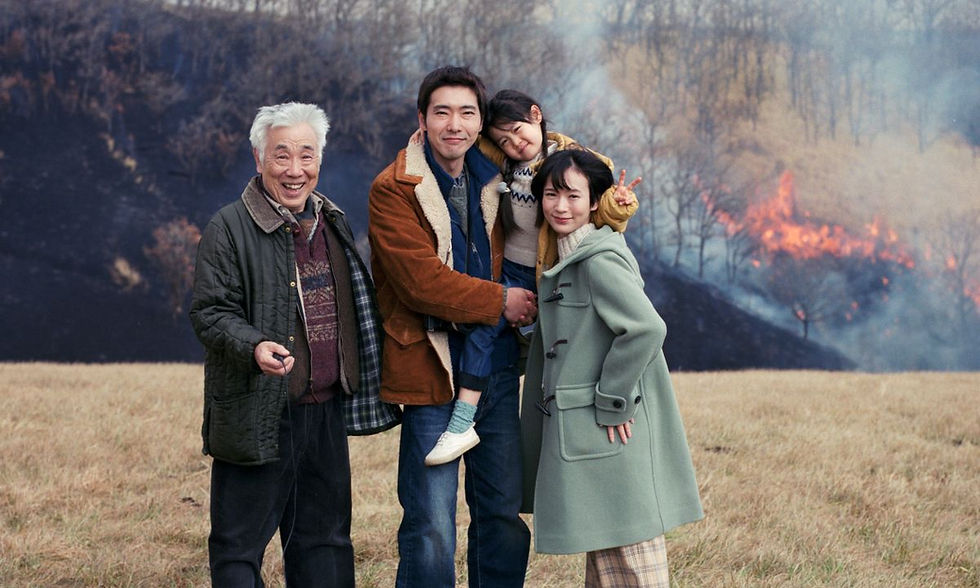
Através de rotinas, o cineasta estreante Miiku Sakanishi explora essa relação do ser humano para com a memória a partir de uma família – a mulher trabalha como guia turística em Tóquio, e cuida da filha pequena do casal, de aproximados cinco ou seis anos; e o homem, em viagem temporária no interior do país, auxilia seu sogro, já idoso, com o pé quebrado, a tocar seu negócio como fotógrafo. Em ambos os lados dessa relação, e do cotidiano desses personagens, a câmera e a imagem se fazem presentes, com maior ou menor influência. Na rotina da mulher, dos registros que seus clientes, turistas, fazem do tempo em que permanecem no Japão, em retratos de momentos felizes, de lazer, descanso e alegria; ao passo que o dia-a-dia do marido, no período auxiliando o sogro, se resume a registrar o presente, ou revelar fotografias, que registraram um momento do passado, e agora buscam uma forma de materialização.
De maneira poética, e em uma abordagem completamente distinta do recente horror de sucesso, Backrooms, Sakanishi materializa o tempo a partir de um lento ensaio sobre a memória, e a fotografia como instrumento de auxílio da lembrança. Não há uma grande história de vida que se desenrola por detrás de seus personagens, senão pessoas comuns lidando com as próprias rotinas e vidas cotidianas, enquanto, de uma forma ou de outra, ajudam o próximo a lembrar.
Este trato com a noção de imagem torna Memorizu uma obra também metalinguística, enquanto coloca sob o olhar da câmera uma compreensão do universo. Enquanto acompanhando o protagonista, Yuta, trabalhando com o sogro, vemos o poder da imagem como registro intergeracional – desde uma simples foto escolar, individual, dos alunos, até em sua representação em um funeral, como lembrança do falecido para com sua família.
Nesse caminhar, o filme acaba, naturalmente, trabalhando também a passagem do tempo, e as relações que se firmam entre o passado e o presente, a partir da contraposição de fotografias, e até de vídeos, em um mesmo espaço, com alguns anos de distância, cuja montagem intercala a fim de ressaltar a diferença do momento de vida dos personagens (sobretudo considerando o contexto da pandemia).
Há uma construção muito sólida sobre percepção de tempo e espaço no decorrer de Memorizu, sobre o qual Sakanishi se estende inclusive para o debate sobre o luto e a ausência. Em certos aspectos, lembra bastante da calmaria adotada pela câmera de Wim Winders em Dias Perfeitos, e especialmente o cinema de Yasujiro Ozu, mas sob outro enfoque. O destaque aqui não reside nas rotinas e simplicidades de seus personagens, como pessoas comuns, mas no olhar que se faz de seus trabalhos para o tempo, e da forma como contribuem à memória alheia por meio da imagem, sem que talvez nem pensem ou reflitam sobre isso. São pequenos elementos, que por vezes passam desapercebido, que fazem deste um longa tão sensível nessa ideia sobre tempo, passado/presente, presença/ausência, e memória como identidade.
Avaliação: 4/5
Memorizu (メモリィズ, 2026)
Direção: Miiku Sakanishi
Roteiro: Miiku Sakanishi
Gênero: Drama
Origem: Japão
Duração: 98 minutos (1h38)
Exibido no 25º Tribeca Film Festival (Competição Internacional)
Sinopse: Após o sogro quebrar a perna, Yuta viaja para uma cidade rural em Kyushu para ajudar no estúdio fotográfico que ele administra, nesta bela meditação sobre memória, tempo e o poder das imagens de conectar pessoas e famílias.
English review
In his directorial debut, Miiku Sakanishi finds in photography and imagery a poetic way of exploring memory, as he follows everyday routines and reflects on the relationships between past and present, presence and absence.

Our minds, despite being brilliant instruments that have intrigued science from the dawn of humanity to the present day, possess limitations like anything else in this endless universe. Memory is not always a pure reflection of reality, but rather something imbued with subjectivity, capable of distorting images, facts, events, and ideas, consciously or unconsciously. It is interesting to consider that, no matter how strong our ability to remember may be, it will never be exactly as an event, place, or person truly occurred, exists, or once was, without being wrapped in some element of personal interpretation. The emergence of photography, in this sense, helped bring memory closer to concrete reality, a process deepened even further with moving images and the birth of cinema.
Through everyday routines, first-time filmmaker Miiku Sakanishi explores humanity's relationship with memory through a family - the woman works as a tour guide in Tokyo and takes care of the couple's young daughter, around five or six years old; meanwhile, the man, on a temporary stay in the countryside, helps his elderly father-in-law, who has a broken leg, run his photography business. On both sides of this relationship, and throughout the daily lives of these characters, the camera and the image are ever-present, whether as a central or more subtle influence. In the woman's routine, this appears through the photographs her clients, tourists, take during their time in Japan, capturing moments of happiness, leisure, rest, and joy; meanwhile, her husband's daily life during his stay with his father-in-law consists of documenting the present or developing photographs that captured a moment from the past and now seek a form of materialization.
In a poetic manner, and through an approach entirely different from the recent horror success Backrooms, Sakanishi materializes time through a slow essay on memory and photography as an instrument that aids remembrance. There is no grand life story unfolding behind her characters, only ordinary people dealing with their routines and everyday lives while, in one way or another, helping others remember.
This engagement with the notion of imagery also makes Memorizu a metalinguistic work, as it places an understanding of the universe under the gaze of the camera. As we follow the protagonist, Yuta, working alongside his father-in-law, we witness the power of images as intergenerational records - from a simple individual school photograph of students to their representation at a funeral, serving as a remembrance of the deceased for their family.
Along this path, the film naturally comes to explore the passage of time and the relationships established between past and present through the juxtaposition of photographs and even videos taken in the same locations years apart, which the editing intercuts in order to emphasize the differences in the characters' stages of life (particularly in light of the pandemic context).
There is a remarkably solid construction surrounding the perception of time and space throughout Memorizu, one that Sakanishi extends even into discussions of grief and absence. In certain respects, it strongly recalls the calmness embraced by Wim Wenders' camera in Perfect Days, and especially the cinema of Yasujiro Ozu, though through a different lens. The focus here does not lie in the routines and simplicities of ordinary people, but rather in the way their professions engage with time, and in how they contribute to the memories of others through images, perhaps without ever consciously considering or reflecting upon it. These are small elements, which at times may go unnoticed, that make this such a sensitive feature film in its reflections on time, past/present, presence/absence, and memory as identity.
Memorizu premiered at 25th Tribeca Film Festival (International Competition).

Comentários