

30º FANTASIA FILM FESTIVAL | The Mouths, de Takashi Shimizu (口に関するアンケート, 2026)

Em retorno ao terror de maldição, Takashi Shimizu usa do psicológico para tornar The Mouths aterrorizante, mas não consegue se esquivar das limitações de um roteiro preguiçoso.
O cinema de horror japonês, especialmente na década de 2000, tornou-se muito conhecido pelos filmes de maldição. Com personagens envoltos em tramas malignas sobrenaturais, investigando maneiras de se livrar daquilo que os persegue, a fórmula se popularizou ainda mais quando o cinema norte-americano passou a refilmar essas histórias à própria forma. Filmes de Hideo Nakata, Takashi Miike, Kiyoshi Kurosawa e de Takashi Shimizu tiveram suas próprias versões em terras estadunidenses – e no caso de Shimizu, ambas as versões de O Grito foram dirigidas pelo próprio.
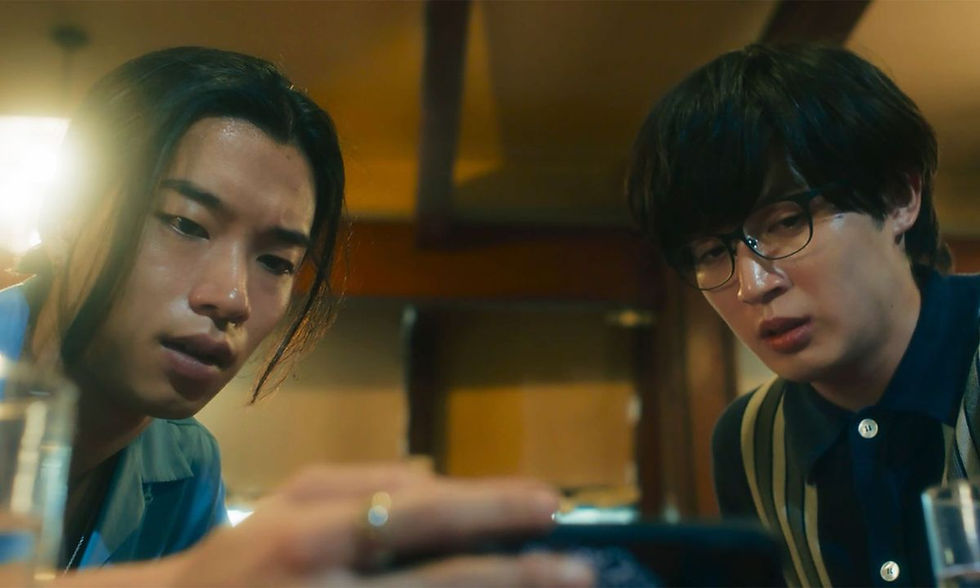
Apesar de seus anos de ouro, hoje trata-se de um subgênero do terror (se é que assim podemos considerar o “filme de maldição”) já bastante desgastado. Repleto de fórmulas prontas, geralmente falta inspiração aos realizadores que delas se aproveitam, contentando-se em usar do óbvio para suas metáforas e simbologias que, no fundo, se esvaziam com a falta de criatividade para uma possível subversão. Nesse sentido, há uma proposta de buscar por um novo caminho em The Mouths, ao unir os depoimentos de jovens universitários à investigação de um detetive de polícia sobre o misterioso desaparecimento de uma garota, parte desse grupo de amigos que fala em frente à câmera, após buscarem por uma árvore amaldiçoada em um cemitério isolado como parte de um desafio.
Em um primeiro momento, o filme é bastante eficiente em atrair a atenção do espectador. Para além da premissa batida, há um tom de desconfiança nos depoimentos e histórias contadas. Como não conhecemos os personagens que narram suas versões dos fatos, nunca sabemos se são confiáveis ou não, e buscamos mentalmente por contradições. Acontece que tudo se encaixa relativamente bem, mas essa premissa ‘rashomoniana’ é tão logo descartada. A narrativa vai e volta algumas vezes para diferentes momentos, como forma de explorar detalhes ocultos nos pontos de vista e oferecer reviravoltas, mas os fatos narrados são bastante uniformes.
As assombrações acontecem pela mesma maneira como Pennywise persegue as crianças em It, através de alucinações. São os momentos nos quais a direção do veterano Takashi Shimizu se encontra mais à vontade e inspirada, ao amedrontar o espectador mais pelas reações esboçadas pelo elenco do que efetivamente por aquilo que aparece em cena, sem jumpscares baratos, e de maneiras até bastante sugestivas, cuja violência reside muito mais no aspecto psicológico do que físico.
Acontece que existe uma mudança brusca no tom narrativo que se dá de maneira muito repentina. Sem exatamente nos oferecer meios para compreender uma suposta simbologia, todas as linhas investigativas e comportamentos dos personagens se alteram de um instante para outro, como uma grande conspiração, alinhada com manipulações dentro daquele grupo de amigos. De uma maldição envolvendo uma árvore, que resulta em assombrações, tão logo começa-se a falar em vingança, raiva e outros sentimentos. O que parecia ser uma coisa torna-se outra completamente distinta. É uma boa ideia, para se esquivar da fórmula da maldição, mas o roteirista Masahiro Yamaura se esqueceu do público.
A confusão é proposital, mas inexistem possibilidades de interpretação com base no que é mostrado ao longo do filme. A montagem é confusa para além das intenções narrativas, quando não esclarece com exatidão os saltos temporais entre os eventos, e tampouco esclarece que existem dois grupos de amigos, e qual foi o primeiro a ir até a árvore.
O questionário, nos instantes finais, de certo a ideia mais original do filme, surge como forma de mascarar as próprias inconsistências. The Mouths sabe que é um filme confuso, com muito mais ideias a serem desenvolvidas do que tempo e interesse em se aprofundar a cada uma. Ao perguntar ao espectador o que entendeu sobre o filme, e oferecer teorias a determinados fatos e representações, evita-se tomar partido e escolher uma resolução à história contada. No entanto, nenhuma das teorias que levanta se sustenta a partir dos elementos apresentados pelo filme – pelo contrário, são simbologias que supostamente poderiam fazer parte da obra, mas que, no fundo, nela não encontram qualquer respaldo. Essa admissão de incompetência disfarçada de esperteza e originalidade acaba por subestimar seu próprio público, enquanto incapaz de oferecer uma resolução digna às questões colocadas sobre a mesa. É até um filme divertido, não nego o entretenimento, mas igualmente decepcionante, e portanto, esquecível como uma nota de rodapé na filmografia de um diretor renomado.
Avaliação: ★★
The Mouths (口に関するアンケート, 2026)
Direção: Takashi Shimizu
Roteiro: Masahiro Yamaura, adaptado de Sesuji (livro).
Gênero: Terror, Thriller
Origem: Japão
Duração: 89 minutos (1h29)
Exibido no 30º Fantasia Film Festival
Sinopse: Em busca de uma emoção durante a madrugada, quatro universitários visitam uma lendária árvore amaldiçoada em um cemitério assombrado. Quando um deles desaparece e os demais passam a ser atormentados por visões aterrorizantes de uma mulher fantasmagórica, eles descobrem que algumas lendas cobram um preço mortal.
English review
Returning to the curse-horror genre, Takashi Shimizu uses psychological terror to make The Mouths genuinely frightening, but ultimately cannot overcome the limitations of a lazy screenplay.

Japanese horror cinema, particularly throughout the 2000s, became widely recognized for its curse films. Centered on characters trapped within supernatural malevolent forces while searching for ways to free themselves from the entities haunting them, the formula gained even greater popularity when American cinema began producing its own remakes of these stories. Films by Hideo Nakata, Takashi Miike, Kiyoshi Kurosawa, and Takashi Shimizu all received American adaptations - and, in Shimizu's case, he even directed both versions of The Grudge himself.
Despite its golden years, this particular branch of horror (if we can indeed consider the "curse film" a subgenre of its own) has become increasingly worn out. Filled with familiar formulas, films of this kind often suffer from a lack of inspiration, settling for obvious metaphors and symbolism that ultimately feel hollow because they lack the creativity necessary to meaningfully subvert audience expectations. In this regard, The Mouths attempts to forge a new path by combining interviews with university students and a police detective's investigation into the mysterious disappearance of a young woman - one of the very friends speaking directly to the camera after they visited a cursed tree in an isolated cemetery as part of a challenge.
At first, the film proves remarkably effective at capturing the audience's attention. Beyond its familiar premise, there is a persistent sense of distrust surrounding the testimonies and stories being told. Since we know nothing about the characters recounting these events, we are never certain whether they are reliable narrators, constantly searching for contradictions in their accounts. As it turns out, however, everything fits together relatively well, and this Rashomon-like premise is quickly abandoned. The narrative jumps back and forth across different moments in time to reveal hidden details from various perspectives and introduce twists, yet the testimonies themselves remain strikingly consistent.
The hauntings unfold much like Pennywise's pursuit of the children in It, relying primarily on hallucinations. These sequences are precisely where veteran director Takashi Shimizu appears most comfortable and inspired, frightening the audience less through what is actually shown on screen than through the reactions of his cast. Rather than resorting to cheap jump scares, he crafts moments that are highly suggestive, where the horror stems far more from psychological violence than from physical brutality.
The problem is that the film undergoes an abrupt tonal shift that arrives with almost no warning. Without providing the audience with sufficient means to understand its emerging symbolism, every investigative thread and nearly every character's behavior suddenly changes direction, giving way to what resembles a vast conspiracy built around manipulation within this circle of friends. What initially appears to be a straightforward curse surrounding a haunted tree and the supernatural manifestations it unleashes soon transforms into a story centered on revenge, hatred, and other deeply buried emotions. What seemed to be one kind of film suddenly becomes something entirely different. It is, in theory, an interesting way of avoiding the conventional curse narrative, but screenwriter Masahiro Yamaura forgets to bring the audience along.
The confusion is clearly intentional, yet the film offers virtually no possibility of meaningful interpretation based on the information it presents throughout its runtime. The editing is confusing beyond the narrative's intended ambiguity, never clearly establishing the temporal jumps between events, nor explaining that two separate groups of friends visited the cursed tree, or which group arrived there first.
The closing questionnaire - undoubtedly the film's most original idea - ultimately functions as a way of masking its own inconsistencies. The Mouths knows it is a confusing film, one containing far more ideas than it has either the time or the willingness to properly develop. By asking viewers what they themselves understood from the story and presenting multiple theories regarding its events and symbolism, it avoids committing to any definitive interpretation or resolution. The problem is that none of the theories it proposes are actually supported by the material presented throughout the film. On the contrary, they merely suggest symbolic readings that could have belonged to the narrative but ultimately find no genuine foundation within it. This admission of creative uncertainty, disguised as cleverness and originality, ends up underestimating the audience while simultaneously revealing the film's inability to provide satisfying answers to the very questions it raises. The Mouths is entertaining enough, and I cannot deny that it provides moments of genuine enjoyment, but it is equally disappointing - and, consequently, destined to become a forgettable footnote in the filmography of an otherwise celebrated director.
★★
The Mouths was screened at 30th Fantasia Film Festival.


Comentários