

CRÍTICAS | COMPILADO (ed. 02/26) – “Caminhos do Crime”, “Bola pra Cima”, “Surda”, “Tiger”, “A Messy Tribute to Motherly Love”, “Máquina de Guerra”, “A Colega Perfeita” e “Exit 8”
- Henrique Debski

- 27 de mai.
- 14 min de leitura
Críticas curtas/comentários sobre alguns lançamentos recentes, para não deixar passarem batido por aqui!

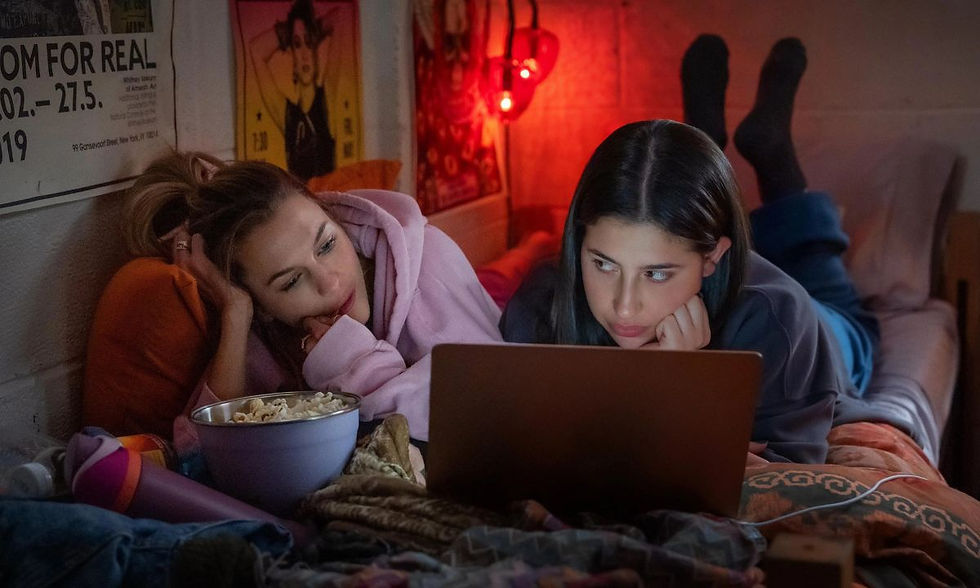
Imagem de Bola pra Cima (Balls Up).
Caminhos do Crime (Crime 101, 2026)
Direção: Bart Layton
Origem: EUA
Avaliação: 4.5/5
Prime Video.
Não basta uma boa história nas mãos para se fazer um bom filme. Crime 101, se comandado por um diretor pouco inspirado, renderia apenas mais um thriller medíocre, como tantos outros lançados anualmente. Mas quando trabalhado por Bart Layton, tudo muda.
Sua preocupação com cada ideia construída, plano e montagem deriva da maneira como articula cada um de seus três arcos distintos, com seus personagens enfrentando crises morais, enquanto desafiam as regras de seus próprios eixos laborais ao passo que enfrentam oponentes e se deparam com opostos ao redor. Tornam-se sucessivos duelos, cada um em seu eixo, e por vezes entre si, enquanto amarrados em uma rede de ações e consequências.
Nada escapa à câmera e à decupagem de Layton, tal qual a montagem se esforça para posicionar delicadamente todas as peças na teia da narrativa, com clareza e criatividade enquanto compara cada um dos protagonistas. Talvez moralmente não seja dos mais corretos, mas vai plenamente de encontro aos contextos de cada um dos personagens e os meios precatórios nos quais estão imersos - afinal, são humanos como todos os outros, vivendo em uma sociedade corrupta, que cria regras para nunca seguir.
Puxa tão bem ideias e construções inspiradas em Michael Mann e William Friedkin, quando igualmente cria algo novo e original a partir delas.
English review
Having a good story in hand is not enough to make a good film. Crime 101, if directed by someone lacking inspiration, would have become just another mediocre thriller, like so many others released every year. But when handled by Bart Layton, everything changes.
His attention to every constructed idea, shot, and editing choice stems from the way he articulates each of the film’s three distinct arcs, with characters facing moral crises while challenging the rules of their own professional spheres as they confront opponents and encounter opposites around them. They become successive duels - each within its own axis, and at times against one another - all while tied together in a network of actions and consequences.
Nothing escapes Layton’s camera and staging, just as the editing carefully strives to delicately position every piece within the web of the narrative, with clarity and creativity as it compares each of the protagonists. Morally, it may not be the most righteous approach, but it fully aligns with the contexts of each character and the questionable environments in which they are immersed - after all, they are human like everyone else, living in a corrupt society that creates rules only to never follow them.
The film draws brilliantly from ideas and constructions inspired by Michael Mann and William Friedkin, while also managing to create something new and original from those influences.

Bola pra Cima (Balls Up, 2026)
Direção: Peter Farrelly
Origem: EUA
Avaliação: 1/5
Prime Video.
- Esse sotaque soou meio racista?
- É, um pouco sim.
- Então desculpe...
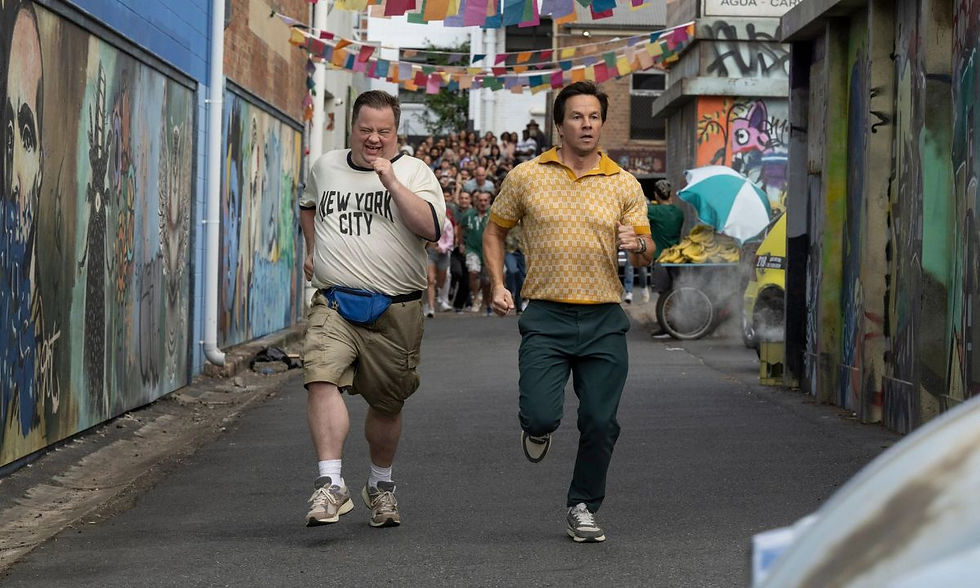
Um diálogo que vale para um longa inteiro. Eu gosto bastante das piadas quinta série com pênis, bolas e a camisinha, mas como brasileiro, é impossível não ficar incomodado com uma produção hollywoodiana que, em pleno 2026, retrata o Brasil com tamanhos estereótipos, e repetindo os erros mais comuns de outras produções que vieram ao país - algo ultrapassado, bem ao estilo dos anos 60/70/80/90.
De um primeiro plano já retratando uma favela à própria incompreensão do estilo arquitetônico brasileiro (por vezes, parece que as cenas foram rodadas em algum país da América Latina colonizado por espanhóis, pois lembra mais Buenos Aires do que o Rio de Janeiro), nem mesmo na língua ou no elenco Peter Farelly foi capaz de acertar. Inúmeros personagens falam português com sotaque espanhol, de Portugal ou mesmo carregado com inglês - o que denota não serem brasileiros, e tampouco se esforçaram para parecer brasileiros -, ao passo que nosso povo apenas se resume a bebida, drogas, violência e futebol.
Sem contar que, se não bastasse todo o preconceito, a própria narrativa pouco faz sentido ou se mostra de alguma forma interessante - é só uma correria de um lado para outro do país, cada vez mais procurando algum novo jeito de manchar nossa imagem, sem um objetivo específico, encontrando pessoas aleatórias, ainda que Mark Wahlberg e Paul Walter Houser façam uma dupla carismática.
Enfim, um filme preso no tempo, repleto de representações preconceituosas, ainda que com algumas piadas que funcionam. O que há de mais brasileiro talvez seja a trilha, que também pouco combina com o clima do filme, e ainda conta com uma música em espanhol, sabe-se lá o porquê.
O que incomoda profundamente não é necessariamente a representação errada que se faz de nós, mas a completa falta de interesse de uma produção deste porte em se esforçar para, pelo menos, escalar um elenco de apoio local, ajustar o idioma, e não cometer erros absurdos para 2026, como errar nossa língua-mãe. Esse tipo de coisa, hoje, é inaceitável - e não só no Brasil, mas para com qualquer país do mundo. Acesso à informação não falta; comprometimento, sim.
English review
- Did that accent sound kind of racist?
- Yeah, a little.
- Then I’m sorry…
A dialogue that perfectly sums up an entire feature film. I actually enjoy immature jokes about penises, balls, and condoms, but as a Brazilian, it is impossible not to feel bothered by a Hollywood production that, in 2026, still portrays Brazil through such massive stereotypes, repeating the same common mistakes made by so many other productions that came to the country before it - something completely outdated, straight out of the 60s/70s/80s/90s.
From an opening shot already depicting a favela to the complete misunderstanding of Brazilian architecture itself (at times, it feels as though the scenes were filmed in some Spanish-colonized Latin American country, since it resembles Buenos Aires more than Rio de Janeiro), not even in the language or casting was Peter Farrelly able to get things right. Numerous characters speak Portuguese with Spanish, Portuguese-from-Portugal, or heavily English-inflected accents - making it obvious they are not Brazilian, nor did they make much effort to sound Brazilian - while our people are reduced solely to alcohol, drugs, violence, and football.
As if all the prejudice were not enough, the narrative itself barely makes sense or proves interesting in any meaningful way - it is simply a chaotic rush from one side of the country to the other, constantly searching for new ways to tarnish our image without any specific purpose, meeting random people along the way, even if Mark Wahlberg and Paul Walter Hauser make for a charismatic duo.
In the end, it is a film trapped in time, filled with prejudiced representations, even if a few jokes do land. Perhaps the most Brazilian aspect of it is the soundtrack, which also barely matches the film’s atmosphere, and even includes a song in Spanish for reasons no one can quite explain.
What deeply frustrates is not necessarily the inaccurate representation itself, but the complete lack of interest from a production of this scale in making even the slightest effort to cast local supporting actors, adjust the language properly, and avoid absurd mistakes for 2026 - such as getting our native language wrong. Today, that kind of thing is simply unacceptable - not only regarding Brazil, but any country in the world. Access to information is not lacking; commitment is.
Surda (Sorda, 2026)
Direção: Eva Libertad
Origem: Espanha
Avaliação: 4.5/5
Nos cinemas.
O que faz Surda se destacar em meio a filmes semelhantes é a habilidade de escuta da diretora Eva Libertad em compreender o conflito de sua narrativa, a partir de um ponto de vista que abrange a todos os seus personagens. Inexistem heróis e vilões na relação construída, mas tão somente um descompasso diante da nova fase sobre a qual a protagonista, uma mulher surda, e seu marido, ouvinte, chegam com o nascimento de uma filha, e as dificuldades em conciliar todo esse cenário com as recentes obrigações.
Existe todo um projeto de imersão por meio da observação, e da luta de Angela para não ser lembrada ou vista apenas como uma pessoa com deficiência, mas como alguém independente, capaz de lidar com a vida e o mundo ao redor de maneira independente. É uma experiência que se trabalha no ambiente, e mais ainda no aspecto sensorial, com um preciso desenho de som, que propõe tanto a visão da personagem surda quanto dos ouvintes sobre a realidade em que vivem.
Não se chega a soluções fáceis, ou se tomam passos robustos - todo o caminhar narrativo se dá com a tentativa de manutenção do casamento, em esforços conjuntos, sempre com a ênfase no trabalho coletivo. É um filme não apenas bonito pela jornada que trabalha, mas especialmente que funciona como um exercício de se colocar no lugar do outro e compreender os desafios de viver em sua pele - uma verdadeira experiência que faz do cinema uma arte única.
English review
What makes Sorda stand out among similar films is director Eva Libertad’s ability to listen to and understand the conflict at the center of her narrative from a perspective that embraces all of its characters. There are no heroes or villains within the relationship being portrayed, but rather a simple dissonance brought about by the new stage in life faced by the protagonist - a deaf woman - and her hearing husband following the birth of their daughter, along with the difficulties of reconciling this new reality with their recent responsibilities.
There is an entire immersive project built through observation and through Angela’s struggle not to be remembered or seen merely as a person with a disability, but as someone independent and fully capable of dealing with life and the world around her on her own terms. It is an experience deeply rooted in atmosphere, and even more so in the sensory dimension, with a remarkably precise sound design that presents both the perspective of the deaf character and that of the hearing people surrounding her within the reality they share.
The film avoids easy solutions and never takes overly dramatic narrative turns - its entire progression revolves around the attempt to preserve the marriage through collective effort and mutual commitment, always emphasizing collaboration. It is not only a beautiful film because of the journey it portrays, but especially because it functions as an exercise in placing oneself in another person’s position and understanding the challenges of living in their skin - a truly immersive experience that reminds us why cinema remains such a unique art form.

Tiger (Idem, 2026)
Direção: Anshul Chauhan
Origem: Japão
Avaliação: 2.5/5
Exibido no 30º Festival de Busan e na 49ª Mostra de São Paulo.
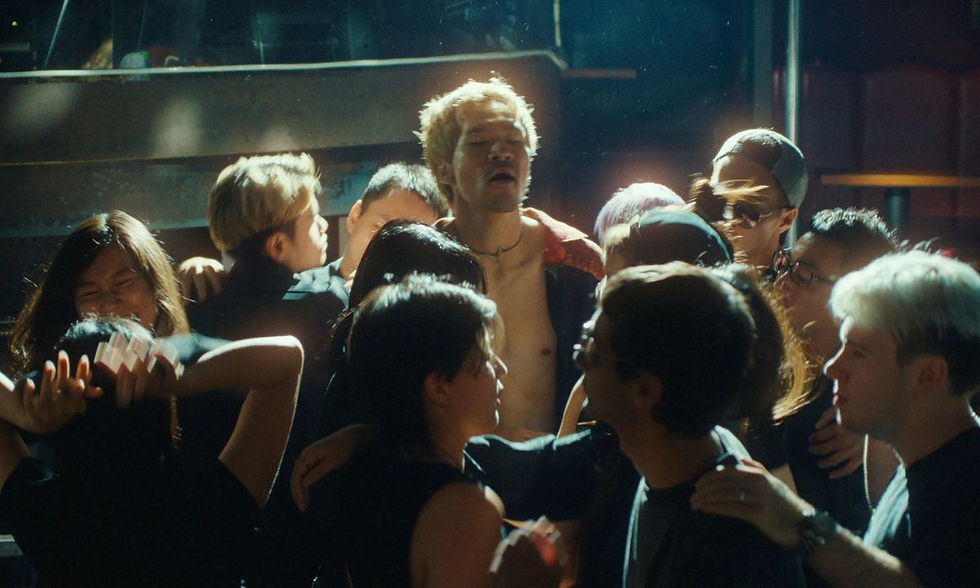
Tiger se apresenta como uma experiência ambígua ao espectador. É notório que o Japão ainda se mostra um país que resiste em reconhecer a comunidade queer, porquanto ainda excessivamente conservador, baseado em modelos patriarcais em diversos sentidos. Há um certo movimento recente no cinema local, entretanto, que visa auxiliar na quebra desse aspecto, o qual Anshul Chauhan busca se encaixar com seu longa.
No entanto, ao mesmo passo que oferece essa denúncia ao tratamento recebido pela comunidade gay do país, também acaba por pouco trabalhar contrariamente a essa violência, na medida em que apenas submete o protagonista, e demais personagens, à sofrimentos constantes, sem nunca oferecer uma alternativa para essa moeda dolorosa. Na maior parte das vezes, encontram-se eles solitários, presos a vidas infelizes, ou mesmo vivendo à margem da sociedade, como se fossem cidadãos de segunda classe.
Para atrapalhar, o protagonista também enfrenta seus problemas com certa dose de imaturidade, e cria complicações para si cuja consequência se justifica em atos homofóbicos. Incomoda o fato de Chauhan se contentar em observar esses machucados de forma inerte, como se vendesse um filme pautado na "pornografia da dor" da comunidade queer japonesa, afastando-se do ar de denúncia, para abraçar o drama de maneira desmedida, ao ponto de perder parte de seu sentido estabelecido inicialmente.
English review
Tiger presents itself as an ambiguous experience for the viewer. It is evident that Japan remains a country that resists fully recognizing the queer community, still deeply conservative and rooted in patriarchal structures in many respects. There has been a recent movement within its cinema, however, aimed at challenging this reality - something Anshul Chauhan seems intent on engaging with in his film.
At the same time that it offers a critique of the treatment faced by the country’s gay community, it does little to counterbalance that violence, as it repeatedly subjects its protagonist and supporting characters to constant suffering, without ever offering an alternative to this painful reality. For the most part, they are portrayed as isolated, trapped in unhappy lives, or living on the margins of society, as if they were second-class citizens.
To complicate matters further, the protagonist often handles his struggles with a degree of immaturity, creating problems for himself whose consequences end up reinforcing homophobic responses. What ultimately becomes troubling is how Chauhan seems content to observe these wounds in a passive manner, as if presenting a film driven by a kind of “pain pornography” of the Japanese queer community. In doing so, it drifts away from its initial sense of critique and leans excessively into drama, to the point of undermining part of its original intent.
A Messy Tribute to Motherly Love (Idem, 2026)
Direção: Dan Geesin
Origem: Holanda, Alemanha, Bélgica
Avaliação: 4/5
Exibido no 55º Festival de Rotterdam.
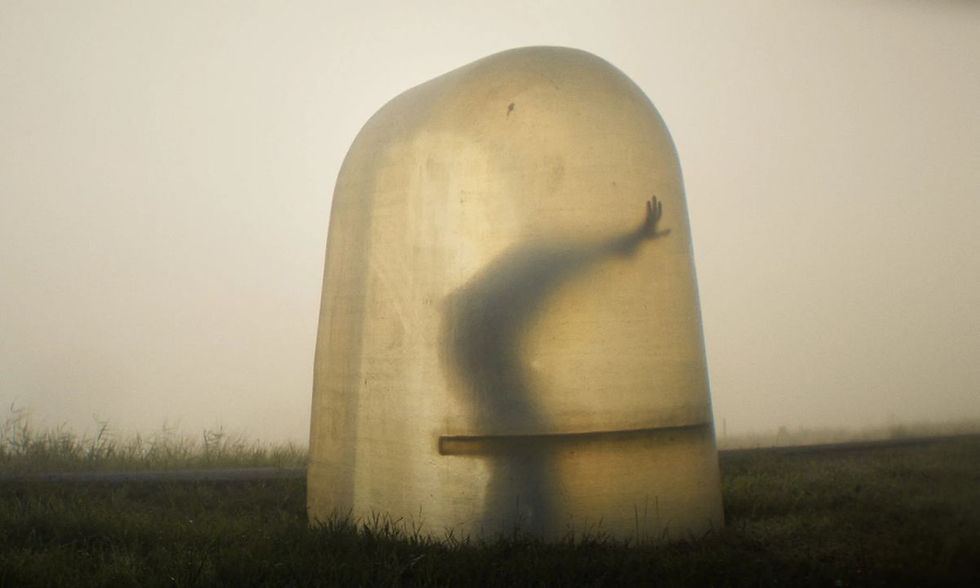
Em uma realidade futurista, Dan Geesin estabelece, já nos primeiros minutos de filme, uma sociedade em que o excesso de emoções acumuladas, somadas a uma infelicidade, fazem com que as pessoas explodam espontaneamente. Nesse contexto, o cineasta explora uma alegoria para com os tempos contemporâneos, nos quais a depressão e a ansiedade figuram como alguns dos grandes maus, e brinca com dinâmicas de horror corporal nos quais as crianças são, literalmente, parte de seus pais.
Com uma lente de grande angular para trabalhar um senso de estranheza, e uma câmera próxima ao protagonista, A Messy Tribute to Morherly Love provoca o espectador a partir de elementos fantasiosos como alusões à condições reais, e os filhos como partes integrantes dos próprios pais. O humor se apresenta no absurdo das situações que propõe, e conduz suas surpresas acompanhado pela trilha original, composta pelo próprio diretor, que se adequa aos sentimentos trabalhados em tela.
É uma comédia que abraça elementos de terror e uma atmosfera estranha, absurda, da qual nitidamente se orgulha. Muito divertido, e de fato, incômodo como pretendido.
English review
In a futuristic reality, Dan Geesin establishes, within the film’s opening minutes, a society in which an excess of accumulated emotions, combined with unhappiness, causes people to spontaneously explode. Within this context, the filmmaker explores an allegory for contemporary times, where depression and anxiety stand among the great afflictions, while also playing with body horror dynamics in which children are, quite literally, parts of their parents.
Using a wide-angle lens to create a sense of unease, and keeping the camera close to the protagonist, A Messy Tribute to Motherly Love provokes the viewer through fantastical elements that allude to real conditions, presenting children as integral extensions of their parents. The humor emerges from the absurdity of its situations, guiding its surprises alongside an original score composed by the director himself, which aligns closely with the emotions portrayed on screen.
It is a comedy that embraces elements of horror and a strange, absurd atmosphere - one it clearly takes pride in. Very entertaining, and indeed unsettling as intended.
Máquina de Guerra (War Machine, 2026)
Direção: Patrick Hughes
Origem: EUA, Austrália
Avaliação: 3/5
Netflix.
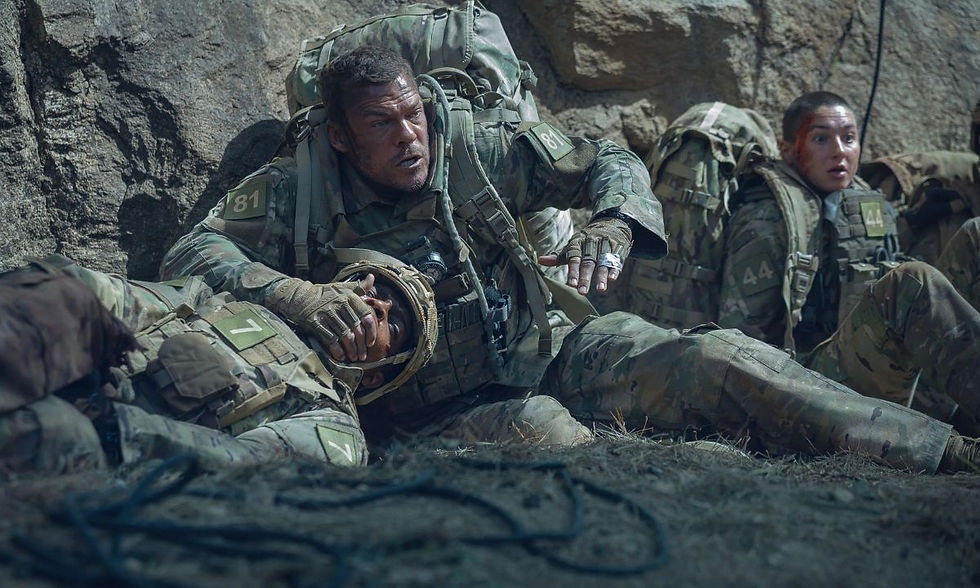
Gosto do clima de mistério e seriedade que Patrick Hughes emplaca em todo o seu longa War Machine, o qual produziu, escreveu e dirigiu como um projeto próprio. No entanto, enquanto propõe um grande jogo de gato e rato contra um grande robô gigante, ao maior estilo Guerra dos Mundos, começa a perder a mão quando torna seu aspecto militarista um grande discurso motivacional, que passa do ponto no excesso.
As cenas de ação, no geral, são bem decupadas e criativas como em todo o cinema do diretor, tão viscerais e impactantes no uso da violência como bastante claras geograficamente, algo que se demonstra sempre uma preocupação, porém, novamente, tudo se torna mais cansativo quando pretexto para uma espécie de propaganda militar.
Não é nem de longe um filme ruim, mas que poderia ser melhor caso soubesse dosar melhor os próprios excessos.
English review
I like the atmosphere of mystery and seriousness that Patrick Hughes establishes throughout War Machine, which he produced, wrote, and directed as a personal project. However, while proposing a massive cat-and-mouse game against a giant robot in true The War of the Worlds fashion, the film begins to lose its grip when it turns its militaristic aspect into an overly excessive motivational speech.
The action sequences, overall, are very well staged and creative, as is common throughout the director’s body of work - visceral and impactful in their use of violence while also remaining geographically clear, something that consistently feels like a concern of his. Yet once again, everything becomes more exhausting when it serves merely as a pretext for what resembles military propaganda.
It is far from being a bad film, but it could have been much better had it known how to better balance its own excesses.
A Colega Perfeita (Roommates, 2026)
Direção: Chandler Levack
Origem: EUA
Avaliação: 2.5/5
Netflix.
Não consigo entender a paixão de Chandler Levack por personagens insuportáveis, pois é o segundo longa da diretora que tenho vontade de entrar na tela e intervir. Ainda que de maneira diferente do terrível I Like Movies, no qual o problema reside no protagonista, o excesso de apatia por parte da personagem de Jackie Sandler incomoda durante boa parte do longa.
A atriz, inclusive, é o ponto alto do longa, quando estabelecido um duelo social com a colega de quarto do qual precisa lidar. A jornada, de muita provocação, encontra um ótimo alívio no clímax, um contra-ataque genuinamente divertido a tantas derrotas e ódio acumulado, mas não tem a menor ideia de como se encerrar de forma verossímil.
O abraço a ideias absurdas reduz substancialmente a força do retrato pretendido ao contexto universitário, e da relação entre as personagens, culminando em algo não só desconexo, como fraco em seu cerne, como se buscasse esquivar-se de um encerramento mais sério e condizente à realidade trabalhada, em prol de um humor incoerente.
English review
I cannot understand Chandler Levack’s fascination with unbearable characters, because this is the second film by the director that has made me want to step into the screen and intervene. Even if in a different way from the dreadful I Like Movies, where the problem lies with the protagonist, the excessive apathy displayed by Jackie Sandler’s character becomes frustrating throughout much of the film.
The actress is, in fact, the film’s strongest element, especially once a social duel is established with the roommate she is forced to deal with. This highly provocative journey finds excellent relief in its climax, a genuinely entertaining counterattack against so many defeats and so much accumulated resentment, but it has absolutely no idea how to conclude itself in a believable manner.
Its embrace of absurd ideas substantially weakens the intended portrayal of the university setting and the relationship between the characters, culminating in something that feels not only disconnected, but fundamentally weak at its core, as though the film were trying to avoid a more serious and reality-driven conclusion in favor of incoherent humor.
Exit 8 (8番出口, 2026)
Direção: Genki Kawamura
Origem: Japão
Avaliação: 3/5
Nos cinemas.
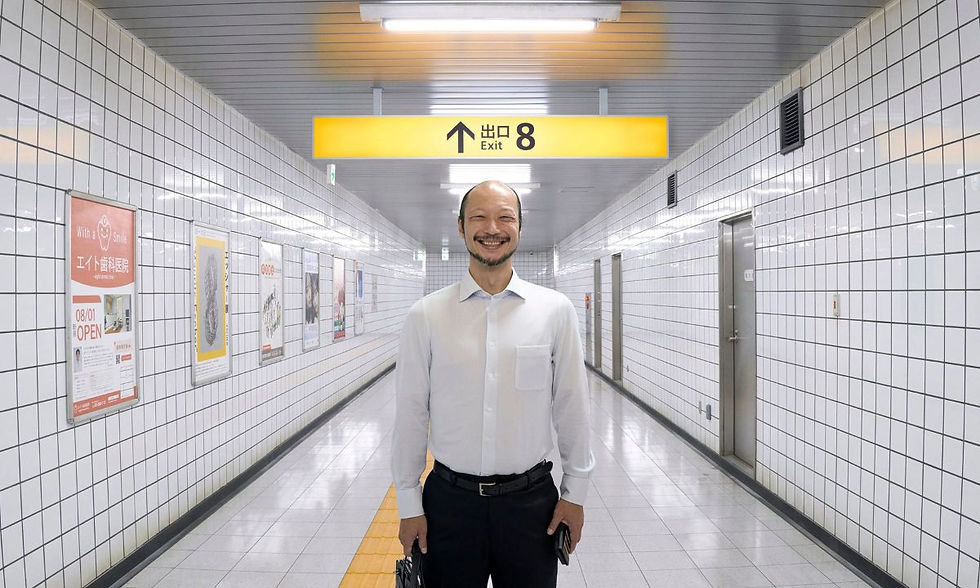
É compreensível o certo nível de complexidade existente em uma tentativa de adaptação do game Exit 8 para os cinemas, porquanto baseia-se apenas num mero conceito, de pura atenção, memorização e repetição. A solução do roteiro de Genki Kawamura e Kentaro Hirase se pauta na construção de algo no entorno do protagonista, preso ao espaço limiar e infinito, um mero estabelecimento para explorar um drama pessoal a ser superado durante a jornada naquele lugar.
Entretanto, os caminhos escolhidos exageram nessa veia dramática, por vezes caminham para longe demais (como todo o arco do homem), e fazem a experiência beirar uma estranha lição de moral sobre responsabilidade e paternidade.
Ainda assim, a direção de Kawamura consegue explorar o potencial do espaço limiar, das anomalias, e da tensão existente na possibilidade de ser atacado por qualquer coisa a qualquer instante, embora possa soar irritante, especialmente para quem já conhece o jogo, vez que tamanhas são as insistências dos personagens em cometer erros, mesmo já conhecendo da dinâmica de "seguir ou voltar".
Enfim, é divertido, mas um tanto excessivo e melodramático para a proposta minimalista do jogo que adapta.
English review
It is understandable that there is a certain level of complexity involved in attempting to adapt the game Exit 8 for cinema, since it is based solely on a simple concept of attention, memorization, and repetition. The screenplay by Genki Kawamura and Kentaro Hirase builds something around the protagonist trapped within that liminal and infinite space, using the setting merely as a foundation to explore a personal drama that must be overcome throughout the journey there.
However, the chosen narrative paths exaggerate this dramatic vein, at times wandering far too much from the central premise (as happens with the entire arc involving the man), ultimately making the experience verge on a strange moral lesson about responsibility and fatherhood.
Even so, Kawamura’s direction manages to fully explore the potential of the liminal space, the anomalies, and the tension created by the possibility of being attacked by anything at any moment, although this may become irritating, especially for those already familiar with the game, given how insistently the characters continue making mistakes despite already understanding the “move forward or turn back” dynamic.
In the end, it is entertaining, but somewhat excessive and melodramatic for the minimalist premise of the game it adapts.


Comentários